
Słuchaj tego podcastu za darmo w aplikacji: Pobierz za darmo z App Store
radio.pl
Sleep timer
Zapisz stacje
387 odcinków
Body Recomp After 40: Your Top Questions Answered in 10 Minutes
21.11.2026 | 11 min.Is body recomp even real for women over 40? Over the past month I got more than 103 questions about body recomposition, and the same ones kept coming up. So in this rapid-fire Q&A episode I set a timer and answer as many as I can in 10 minutes. The questions come from women in perimenopause, menopause and postmenopause, many of them former cardio queens who were scared of heavy weights, under-ate for years and doubted recomp was possible for them.
We start with the big one: yes, recomp is possible for you, and it is never too late to build muscle at 50, 55 or 60 plus. I explain how anabolic resistance, years of training experience and past dieting change the way you have to approach it, and why "just lift heavy" isn't enough on its own once you're more advanced.
From there we get into nutrition, which is where most women get stuck. If you're eating 1,200 calories (or even 800) and not losing, your metabolism has probably adapted to that amount, and cutting more won't help. I explain why eating more can help you lose fat, why the scale often goes up at first when you add calories, why you may build muscle before you lose fat, and how to get past the bloating and tiredness that come with eating more. I also cover why you shouldn't eat less on rest days if recomp is the goal.
Then we talk training. You'll learn how cardio fits into a recomp without being demonized, the difference between HIIT, sprint intervals and power work and how long each should be, and what "heavy" actually means for you, including double progression, reps in reserve and rest pause sets. I finish with whether you can spot reduce your arms or belly, whether to use heavy low reps or light high reps, and how to keep progressing when you have bad knees, a bad back or arthritis.
Have a question I didn't get to? Leave it in the comments and it may be answered in a future episode.
Download my free Muscle First Body Recomp guide to dial in your nutrition based on where you're starting and decide whether to put muscle building or fat loss first: http://redefiningstrength.com/recompLift Heavy or Do Cardio After 40? 5 Things I Wish More Women Knew
15.11.2026 | 13 min.Should you lift heavy or do cardio as you get older? The honest answer is both. The fitness world has spent so much energy debating which one is better that a lot of women over 40 have stopped doing one of them completely, and their results are paying the price. In this episode I share five things I wish more women knew about aging strong and lean, so you can build muscle, keep your power, and stay capable for decades without picking a side.
We start with why lifting heavy versus doing cardio is the wrong debate. Strength training and cardio sit on a continuum, and how you design your lifting workouts changes how much conditioning you get from them. I explain how daily walking, one to two interval sessions a week, and power work fit together. I also cover how HIIT and sprint intervals serve different goals depending on whether you’re focused on fat loss or a muscle first body recomp. If you love steady state running or cycling, you’ll learn how to keep it in your week without it working against your muscle gains through perimenopause, menopause, and postmenopause.
Next we talk about why “just lift heavy” isn’t the whole story. Heavy compound lifts and low reps build maximal strength, and I love them as a powerlifter. Real progress also takes higher rep ranges, isolation moves, tempo changes, and different equipment so you hit all three drivers of muscle growth: mechanical tension, muscle damage, and metabolic stress. You’ll learn why beginners often need higher reps to prepare connective tissue, why experienced lifters need variety to push past plateaus, and why lighter weights only work if you train within two to three reps of failure.
From there we get into power training. Power intervals are short, explosive bursts of eight to twelve seconds with plenty of rest, and they train the fast twitch muscle fibers women tend to lose first with age. That matters for balance, reaction time, and catching yourself before a fall turns into a fracture. Power work also supports muscle definition and metabolic health. It doesn’t have to mean jumping or running either. Med ball throws, explosive lifts, the bike, the rower, and even swimming all count.
Then we cover the nutrition side, because under fueling is one of the biggest reasons women work hard in the gym and don’t see results. I explain why a muscle first approach to fat loss works better than an ever bigger calorie deficit. Anabolic resistance means protein needs go up as we age, and adding a little more protein per meal helps make up for it. Carbs are protein sparing and help create an anabolic environment, even with insulin sensitivity changes during menopause. Postmenopausal women can build strength just as well as younger women, and fueling properly is a big part of making that happen.
Finally, we talk about why exhaustion isn’t the goal. What most people call overtraining is usually under recovering: not eating enough, not sleeping enough, skipping mobility work, and stacking intense sessions back to back. We also clear up the confusion about cortisol and exercise. Hard training should raise cortisol for a short time. The problem is only when it stays elevated because recovery never catches up.
If you’ve been afraid of cardio because of your muscle gains, or afraid of lifting heavy because you’re an endurance athlete, this episode will help you use both with intention so you can age strong, lean, and functionally fit.
Want a program that builds all of this in for you? Dynamic Strength includes power work, a variety of strength workout designs, and prehab so you can recover well and keep making progress without picking sides: https://redefiningstrength.com/dynamic-strength
Watch my full video on safely building up to jumping and impact training: https://www.youtube.com/watch?v=_ryS6-ul3tw10 Habits For Body Recomp I'll Never Stop Doing
08.11.2026 | 16 min.10 habits for body recomp I’ll never stop doing, no matter how old I get.
Some of these might surprise you, and a few might make you a little mad. Many of us write off things like jumping, sprinting, or lifting heavy once we hit our 40s and beyond, assuming they’re “not for us anymore.” But they may be exactly what we need to build muscle, protect bone health, and keep our metabolism healthy through perimenopause, menopause, and beyond.
In this video, I share why I’ll always aim for 10,000 steps even though research says you get most of the benefit sooner, why impact training matters more than you think (and how to start safely if jumping scares you), and why I’ll never stop eating foods I simply love. I also cover why both heavy lifting and high rep work belong in your training, plus the mindset shift that finally stopped my yo-yo progress.
These habits will evolve as I age. They’ll look different in my 60s than they do now. But in some form, they’re staying in my routine for life.
Which habits are on your “never stop” list? Let me know in the comments.Rapid-Fire Q&A: Protein, Cardio, Creatine & More in 10 Minutes
31.10.2026 | 11 min.I went through a month of your questions from social media, email and DMs, narrowed them down to the most common ones, and answered as many as I could in 10 minutes.
We'll cover...
How many sets and reps you need to build muscle, and whether 3 sets of 10 is enough
Lifting heavy with low reps vs. light with high reps
How much protein you need, and why more isn’t always better
Animal vs. plant protein for muscle growth
Whether to lose fat or build muscle first
Why you might be losing weight without looking more defined
How much cardio to do, and whether to do it before or after lifting
Rest days, overtraining, working out sore, and deload weeks
How sleep affects muscle growth
Lifting heavy in menopause and HIIT in perimenopause
Whether creatine is worth it and if it makes you gain weight
Which answer helped you most? Leave a comment, and drop a question you want me to answer in the next rapid-fire episode.The 4 Phases of Body Recomp (No One Talks About)
26.10.2026 | 25 min.We’ve been sold fat loss as a 21-day challenge, a 90-day cut, or a before-and-after with an end date. But lasting body recomp comes from what you do around those phases: the busy seasons, the stressful months, the holidays, and the vacations where going all in just isn’t realistic.
In this episode, I break down the 4 lifestyle phases of body recomp, why “push harder” keeps backfiring (hello, present bias and cognitive dissonance), and how to figure out which phase you should be in right now so you stop starting over every January, every Monday, or after every vacation.
You’ll learn:
The 4 phases: Push, Maintain, Intentional Break, and Flex
Why disciplined people struggle most with slowing down
How to compare this season to the same season last year (not to January)
Reflection questions to spot the patterns sabotaging your results
How to set minimums you can hit even on your worst days
Więcej Fitness podcastów


Trendy w podcaście Fitness

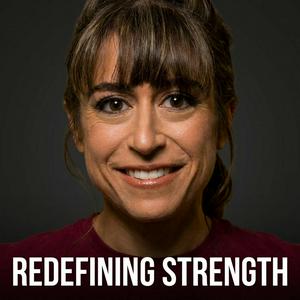
O Redefining Strength Podcast
You train hard. You try to eat well. You stay disciplined. And yet progress slows. Energy drops. Fat loss stalls.The Redefining Strength Podcast is for women who work hard on their health… but still feel like their body isn’t responding the way it used to.Hosted by Cori Lefkowith, founder of Redefining Strength, this show helps you understand what’s actually happening inside your body — and what to do about it. Cori is the creator of the STRONG System, used by over 10,000 women around the world to transform their bodies and build results that last.Through real coaching insights and conversations with leading experts in women’s health, metabolism, and behavior change...each episode breaks down the science in a way that actually applies to real life.Because the answer isn’t working harder. It’s learning how to work smarter so your effort finally creates the strength, energy, and confidence you’ve been chasing.If you’re ready to stop starting over and start building a body you can count on, this podcast will help you get there.
Strona internetowa podcastuSłuchaj Redefining Strength Podcast, That Triathlon Life Podcast i wielu innych podcastów z całego świata dzięki aplikacji radio.pl
Uzyskaj bezpłatną aplikację radio.pl
- Stacje i podcasty do zakładek
- Strumieniuj przez Wi-Fi lub Bluetooth
- Obsługuje Carplay & Android Auto
- Jeszcze więcej funkcjonalności

 Polska

